
Microcredentials Come to the IGOP School: University Training Rooted in the Local Community
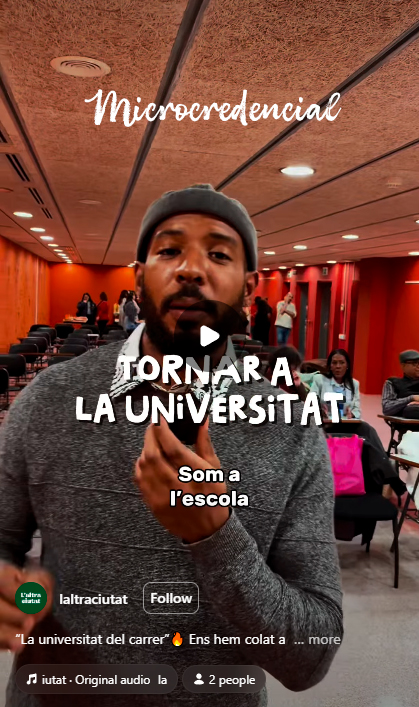
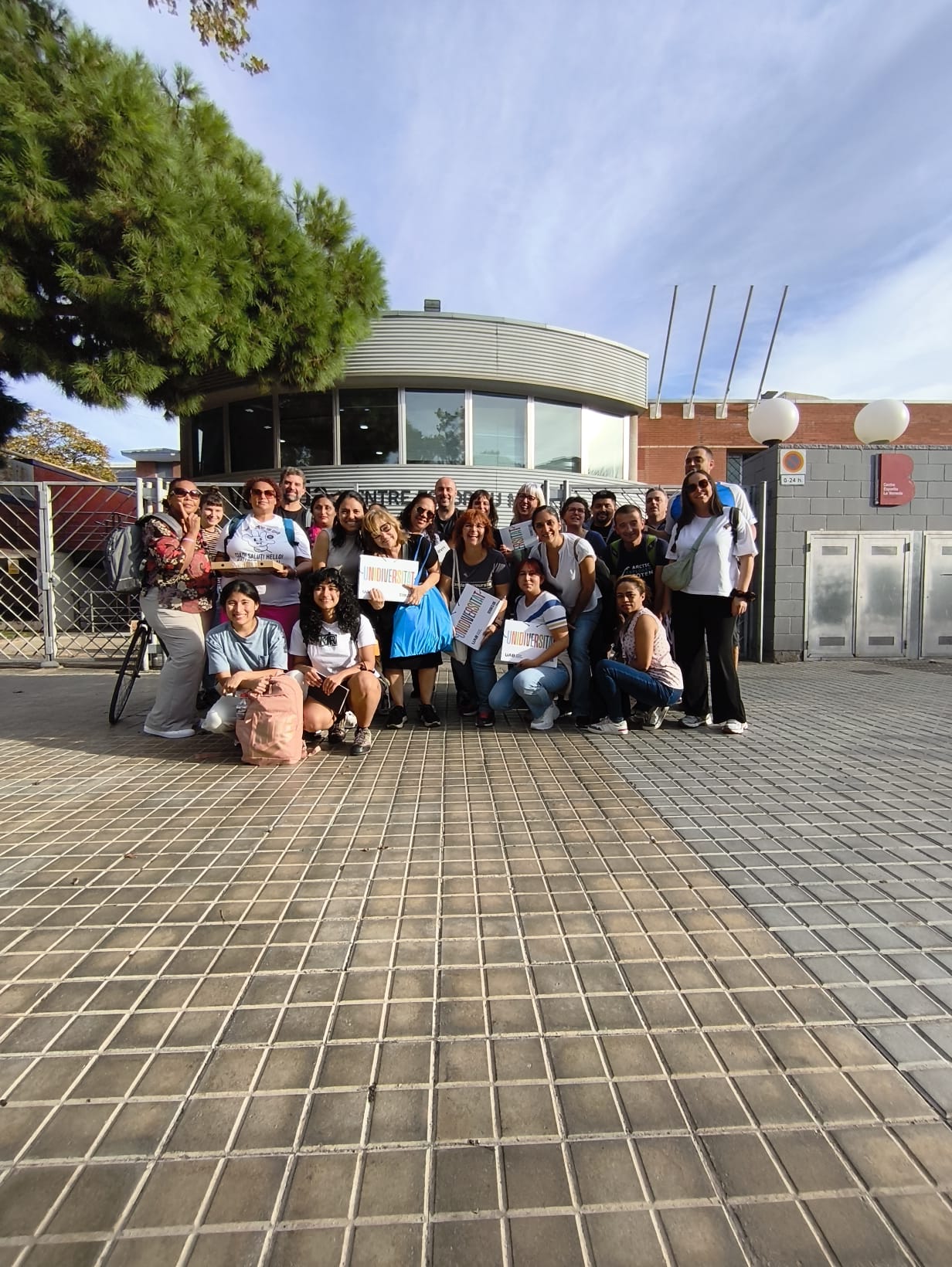
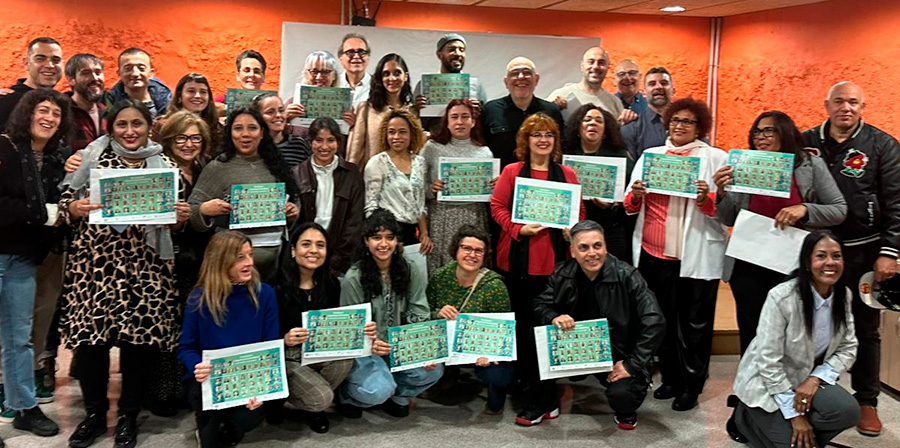
The IGOP School takes a step forward in its commitment to flexible, accessible university training deeply connected to the social realities of neighborhoods. On December 17, the closing ceremony was held for the first microcredential launched by the IGOP School, developed in collaboration with the Confederation of Neighborhood Associations of Catalonia (CONFAVC) — a pioneering experience that marks the start of a new educational pathway at the Autonomous University of Barcelona.
The microcredential, worth 6 ECTS credits, is titled “Community Facilitation and Organization: Tools for Social Intervention in the Local Context” and was taught between September and December 2025. The course aimed to strengthen community action capacities in neighborhoods, focusing on proximity work, citizen participation, and the reinforcement of associative networks.
A Diverse, Grounded and Transformative Training
A total of 24 participants took part in this first cohort, coming from neighborhoods where IGOP already maintains close collaboration, such as Turó de la Peira, Roquetes, Verdum, or Can Sant Joan in Montcada, as well as from other metropolitan areas where CONFAVC is promoting the A-Porta project, including Terrassa, Sabadell, Gavà, and Badalona.
The group reflected the social and cultural diversity of these neighborhoods, with participants originally from Catalonia and other parts of Spain, as well as from countries like the Dominican Republic, Pakistan, Honduras, Ecuador, Chile, Colombia, and Mexico — this plurality being both a major challenge and one of the course’s greatest strengths.
Pedagogically, the goal was to develop a methodology adaptable to very diverse contexts: from people with wide experience in community activism to those with emerging experience, some with formal training in social fields and others without any prior formal education.
IGOP Methodology: Learning Through Practice and Territory
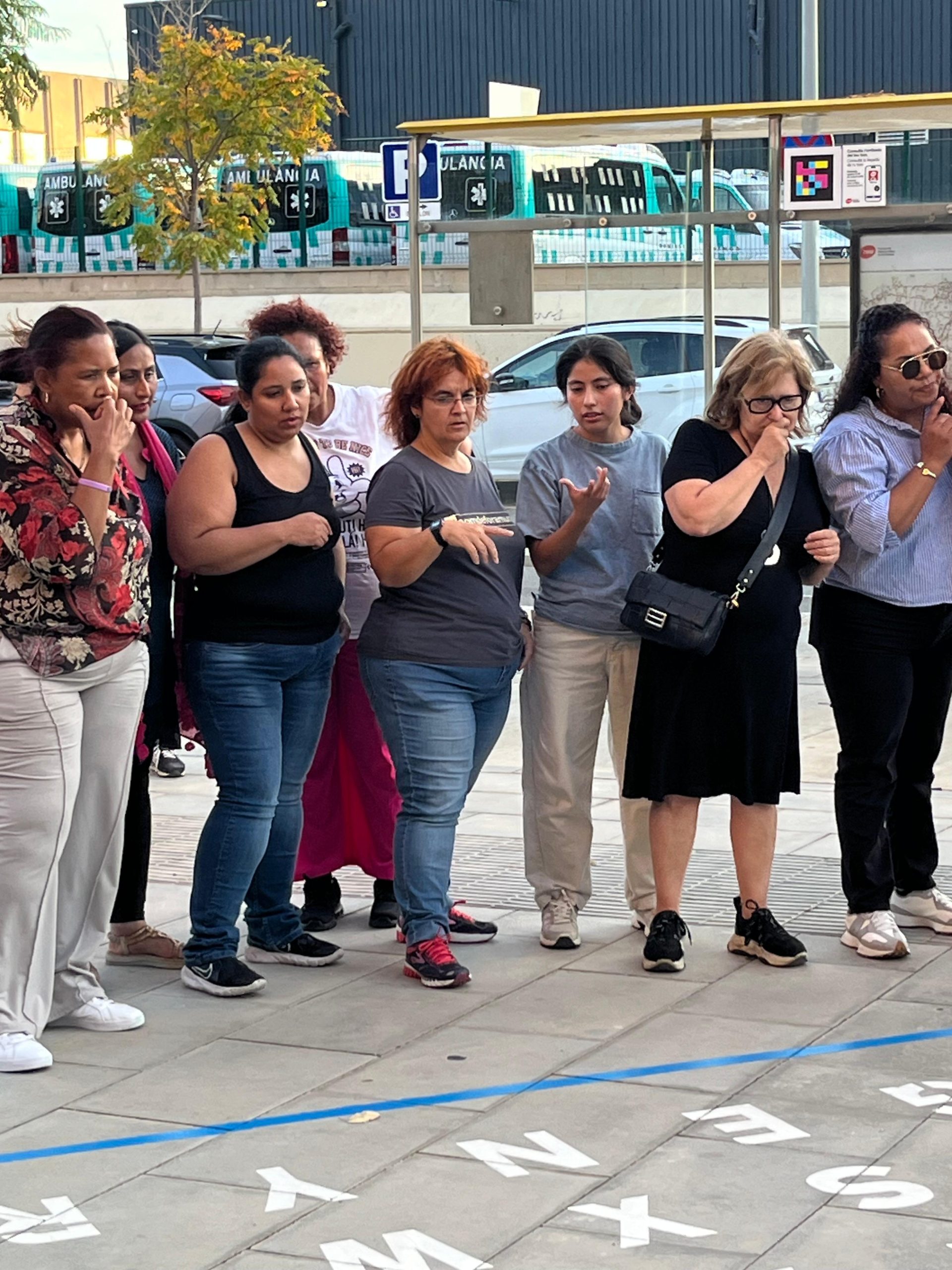
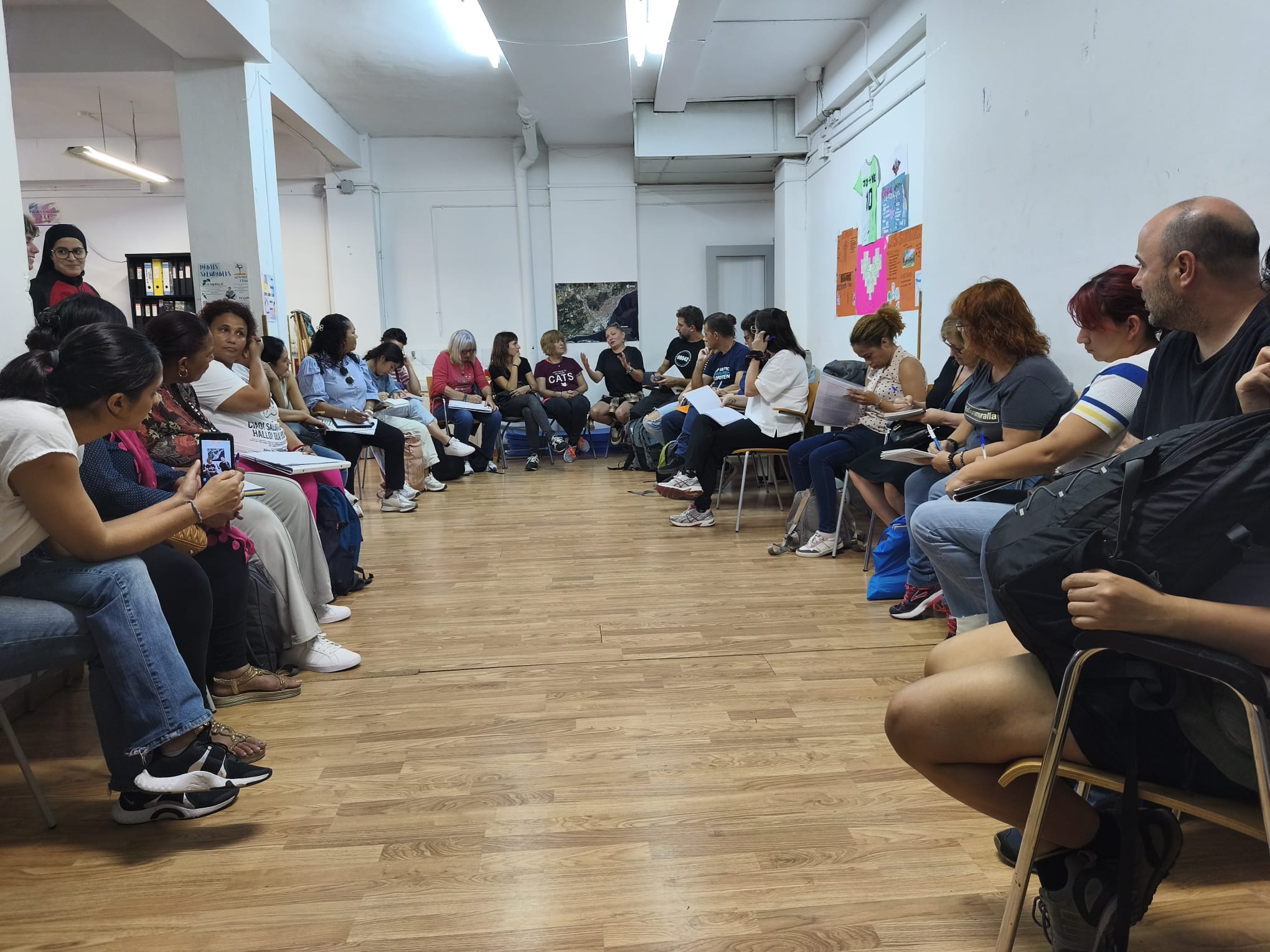
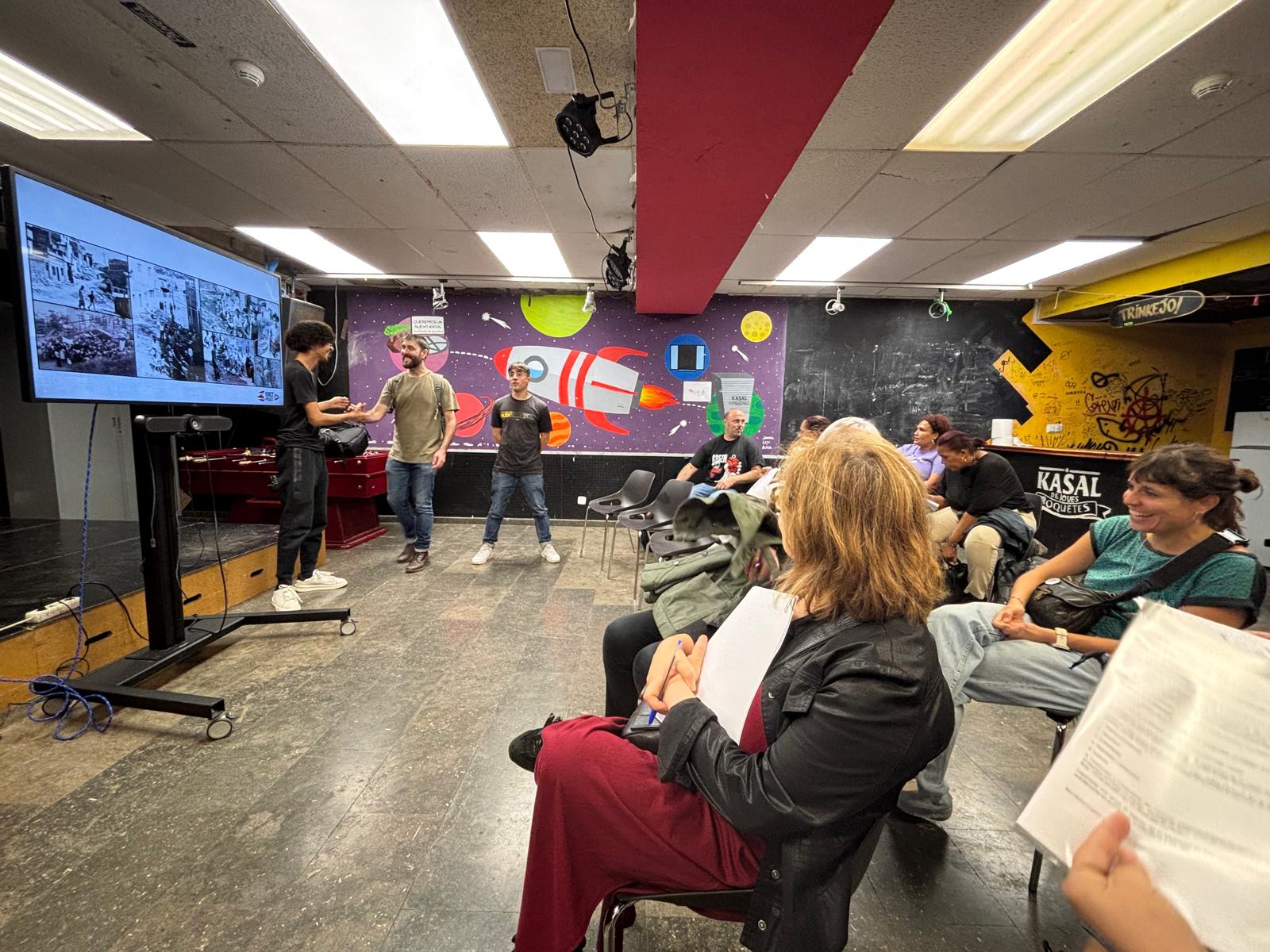
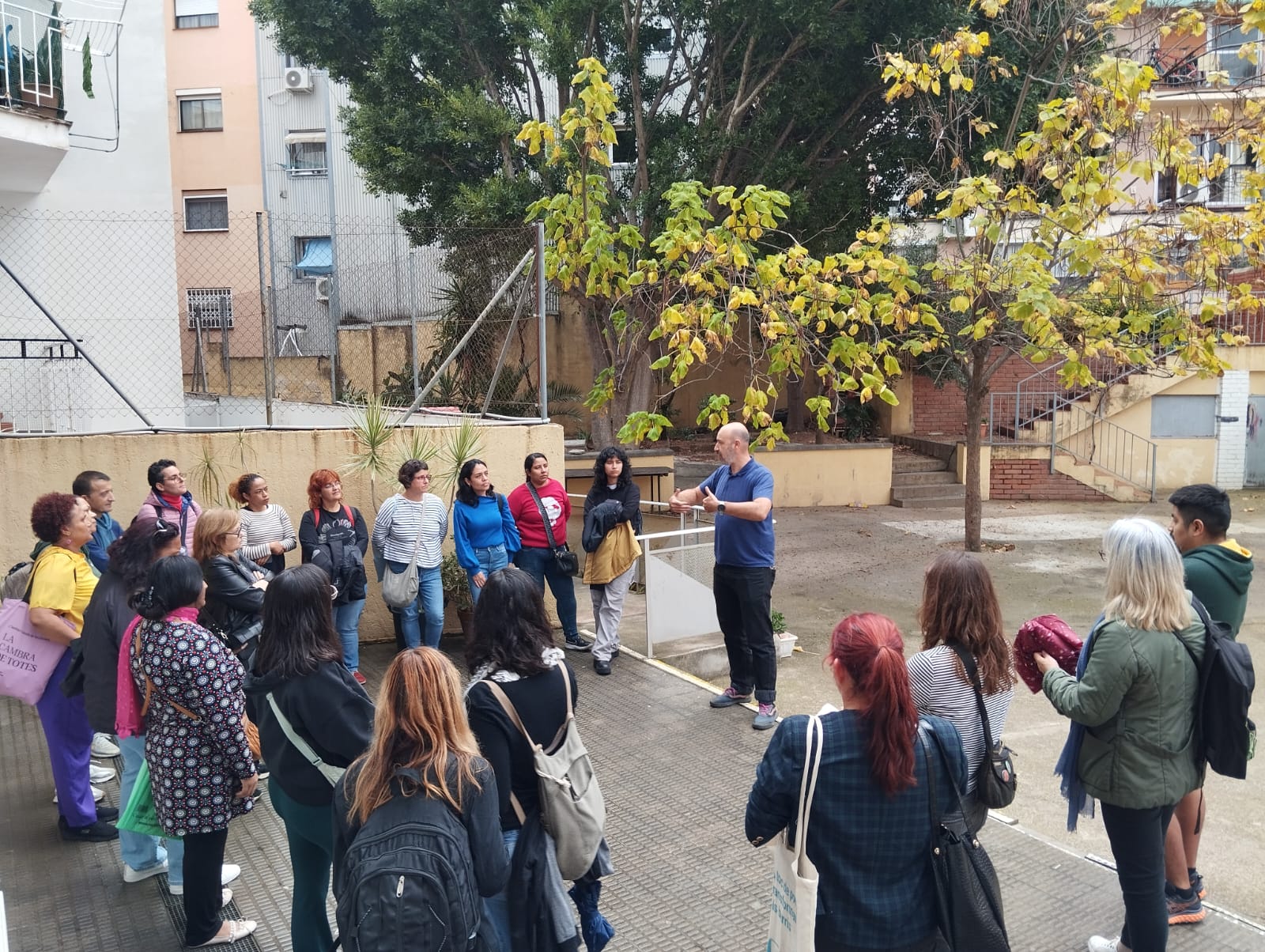
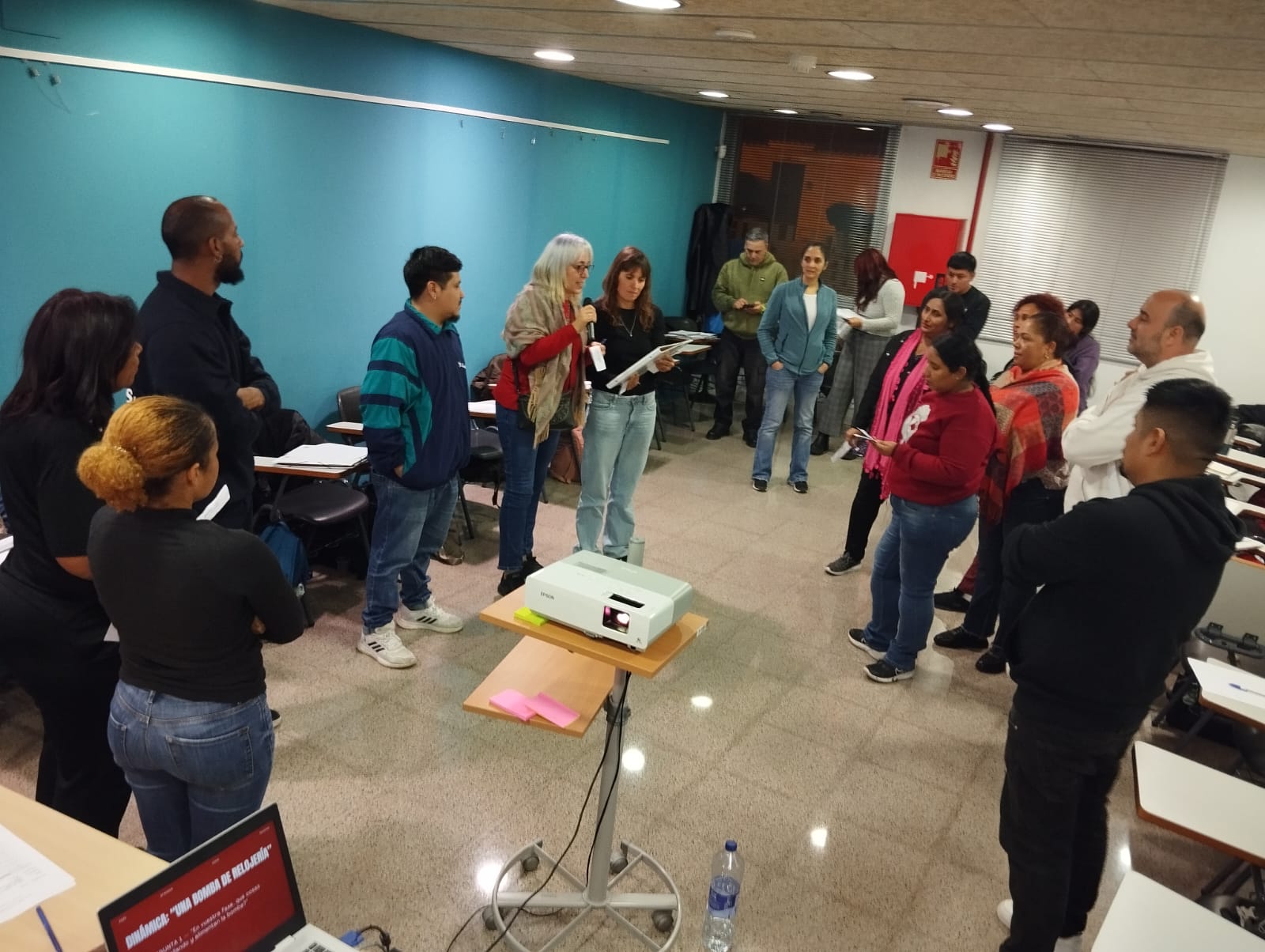
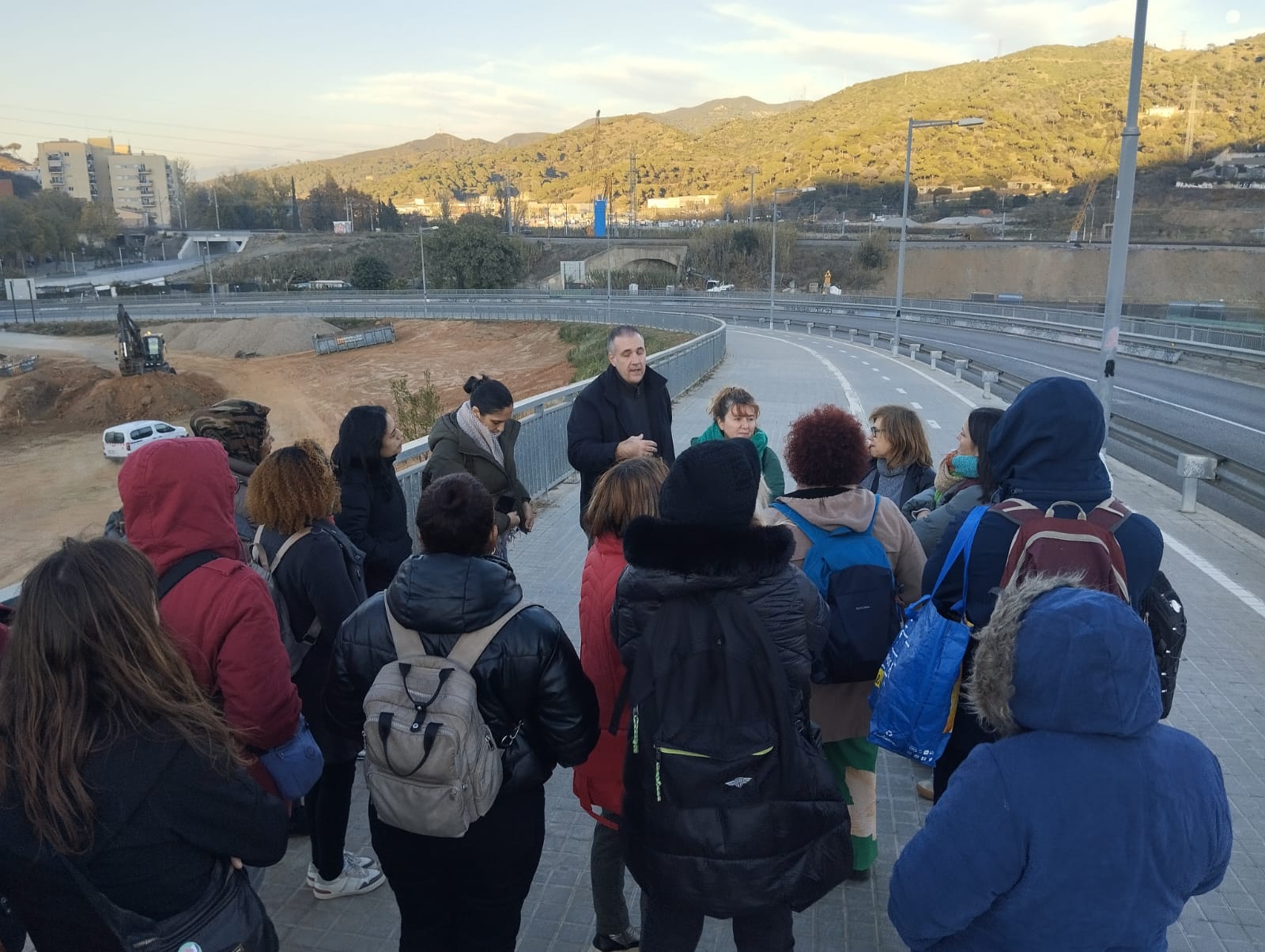
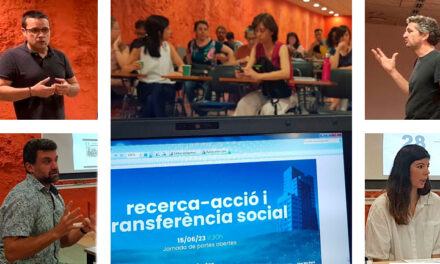
To meet this diversity, the IGOP School implemented a teaching methodology consolidated over years in programs like New Leaderships in Neighborhoods or the Master’s in Social Policies and Community Action. The course combined study visits, interviews, and meetings with key local actors, theoretical-practical approaches, and group self-organization processes — fostering both individual learning and collective growth.
This approach helped create a meaningful educational and life experience that facilitated networking and knowledge exchange among participants, as well as shared reflection on a wide range of community projects.
Examples included La Culturalíssima, a project from Turó de la Peira to strengthen community relationships through culture and gastronomy; Your Life Matters, a youth rap project highlighting migrant stories in Nou Barris; La Cinglera, a mutual support group for migrants; and MMA – Life Club, promoting youth inclusion and community participation through mixed martial arts.
Barcelona as a Community Learning Laboratory
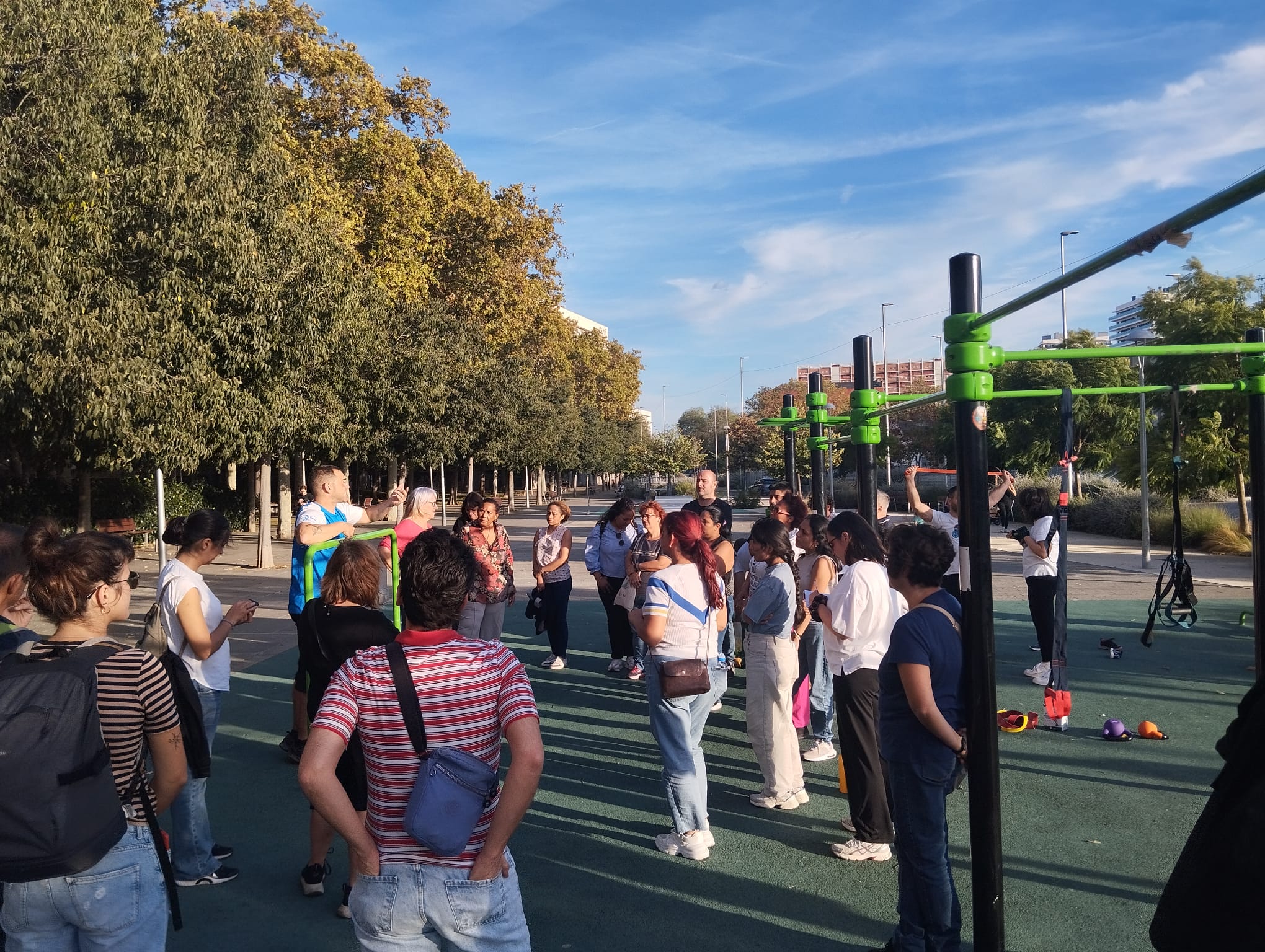
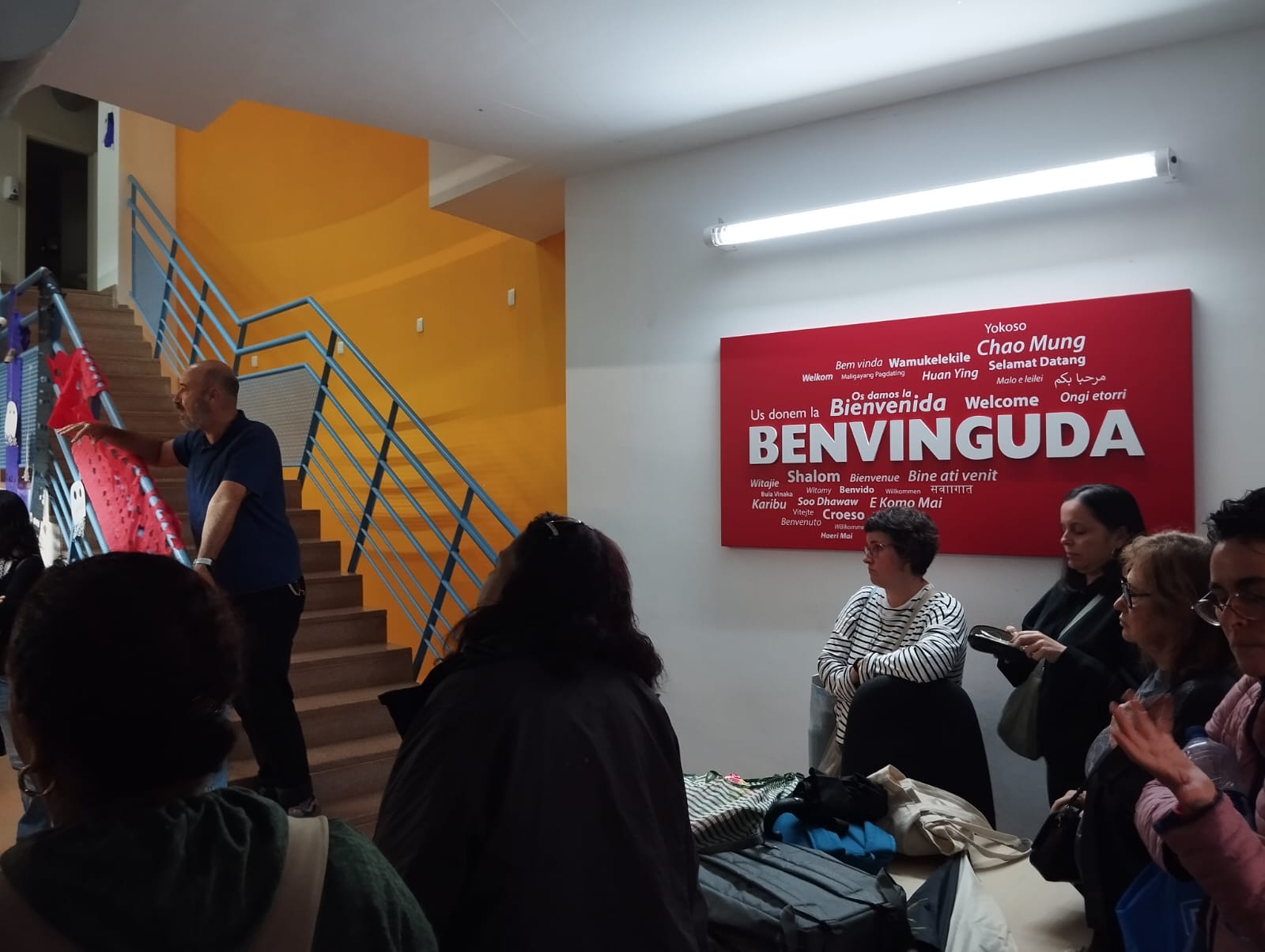
The city of Barcelona served as a true test bed and learning environment, with community mobilization experiences across neighborhoods — from sports activities in Verneda with the ASME sports association to building community links in Poble-sec and El Raval. Participants visited Islamic places of worship, immigrant cultural organizations, and youth associations like Joves Units del Poble Sec.
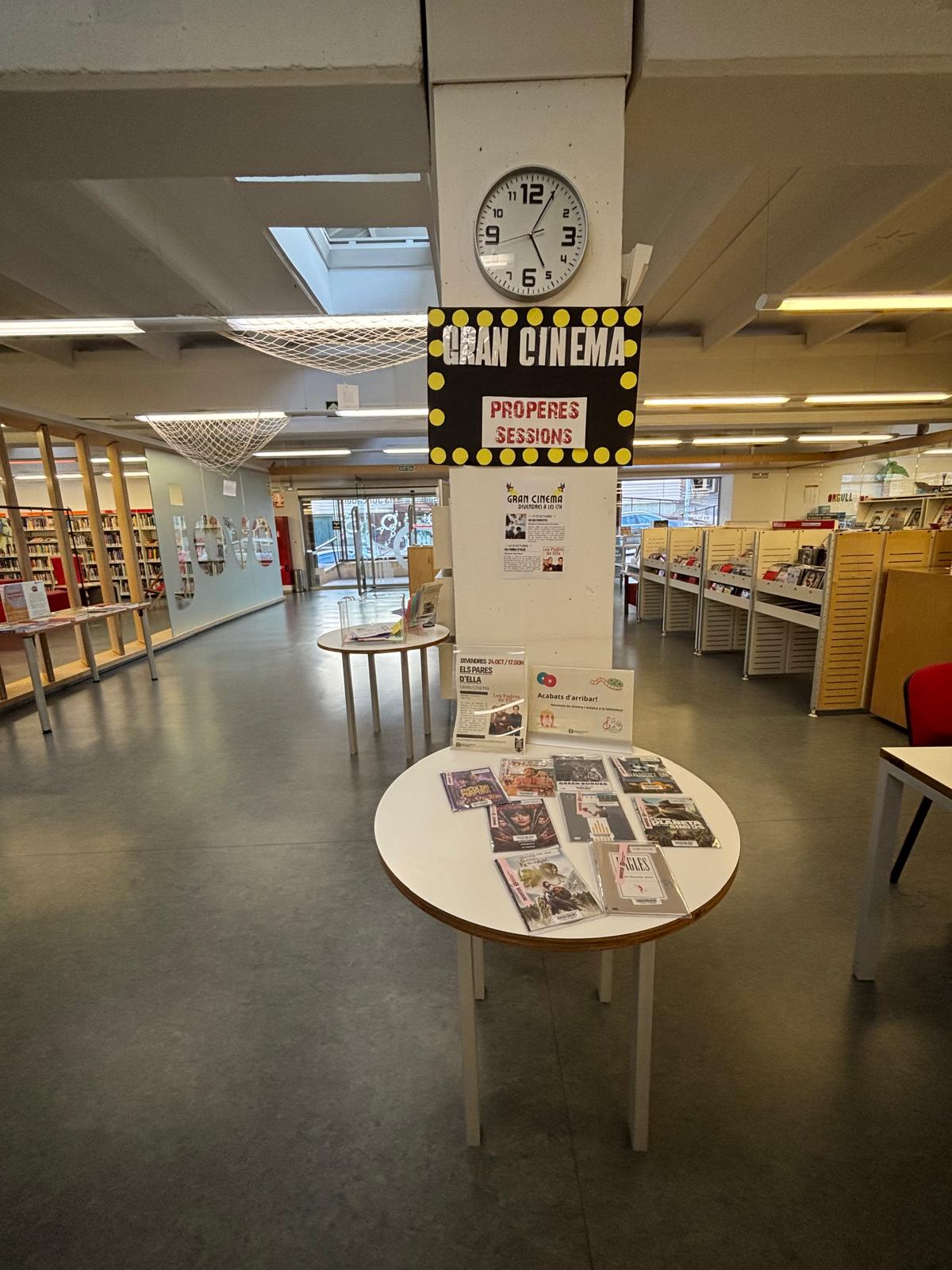
They also explored strategies for working together in public spaces with projects like El Rec es Mou in Can Sant Joan, Montcada i Reixac, and examined the ecosystem of services and community resources in Verdum and Roquetes, visiting initiatives like the Com-una community radio station, Rafa Juncadella Library, neighborhood and youth centers, and Cáritas multipurpose centers.
Accessible Microcredentials Thanks to European Funding
Thanks to support from the European Union’s Next Generation Funds, this microcredential was subsidized by 70%, allowing it to be offered for under €150, making it accessible to people linked to the territory and their community organizations.
This first experience is not isolated. The IGOP School is already delivering new microcredentials that further establish this educational line. In the coming months, courses will include “Neighborhood Facilities as Social Infrastructures”, in collaboration with the Government of Catalonia, and “Cooperatives, Organizational Models and Decision-Making”, led by the cooperative La Ciutat Invisible.
Additionally, a new microcredential is pending approval (as of January 2026) in collaboration with the Platoniq Foundation, titled “Creative Democracy Applied to Participation and Technology”, focusing on designing youth political advocacy strategies based on participatory processes. This course is expected to cost around €45, and interested people can contact Platoniq directly for details.
With these initiatives, the IGOP School reaffirms its commitment to an open university connected to neighborhoods and oriented toward social transformation — putting academic knowledge at the service of communities.